
Scholars
The Minds Behind the Masterpieces
The scholars whose work shaped traditions spanning more than two thousand years.
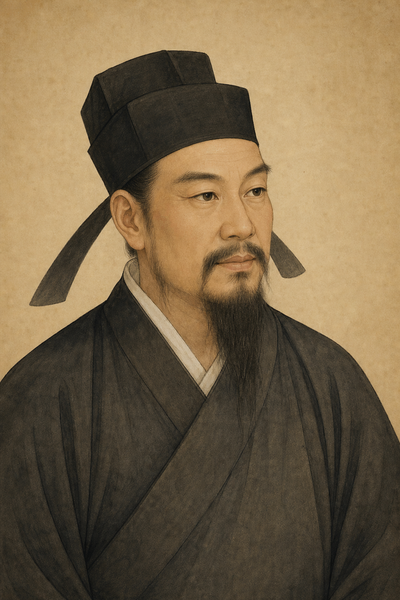
Song Dynasty · 1031-1095
沈括
Shen Kuo
Polymath, astronomer, mathematician, and statesman. Served as an official of the Song court and produced the encyclopedic Dream Pool Essays, which covered astronomy, geology, magnetism, and technology with unprecedented precision.
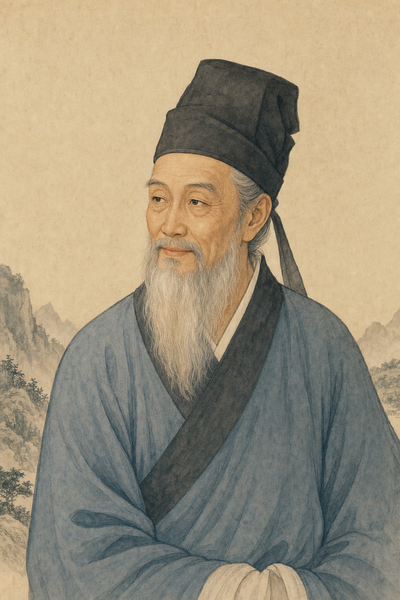
Ming Dynasty · 1518-1593
李时珍
Li Shizhen
Physician, pharmacologist, and naturalist. Spent over 30 years compiling the Compendium of Materia Medica, cataloguing 1,892 medicinal substances and correcting errors in earlier texts through firsthand field research.
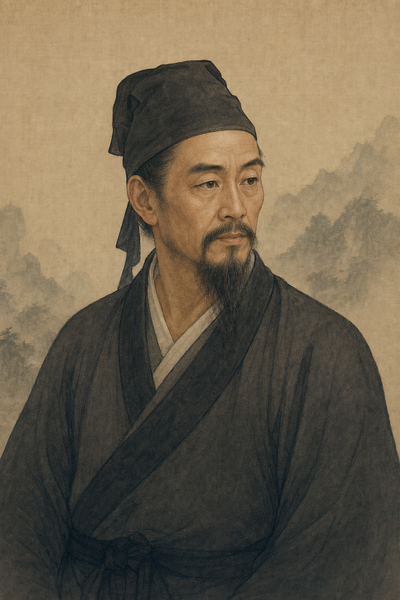
Han Dynasty · c. 150-219
张仲景
Zhang Zhongjing
Physician and medical systematizer. His Treatise on Febrile and Miscellaneous Diseases established the framework of Chinese medical diagnosis that remains in clinical use today. Revered as the sage of Chinese medicine.
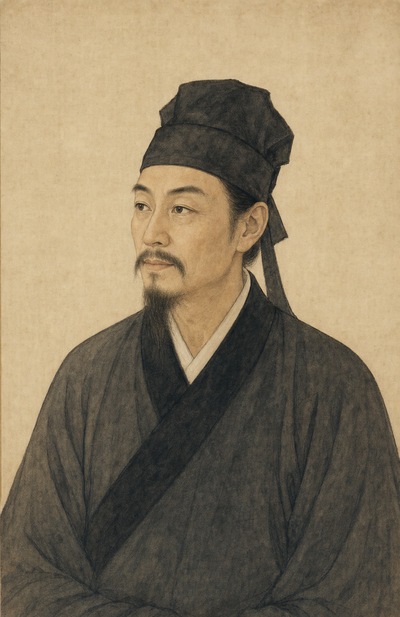
Ming Dynasty · 1587-1666
宋应星
Song Yingxing
Encyclopedist and technologist. His 1637 work The Exploitation of the Works of Nature documented Chinese technology and industry across agriculture, textiles, ceramics, metallurgy, and mining with detailed practical illustrations.
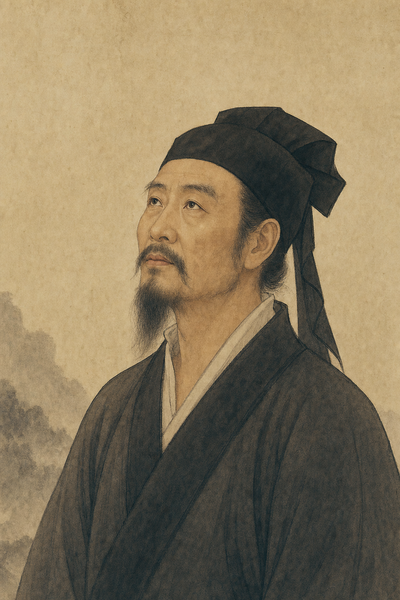
Song Dynasty · 1011-1077
邵雍
Shao Yong
Philosopher, cosmologist, and mathematician. Developed an elaborate system of correlative cosmology expressed in his Imperial Canon of Sagely Governance, modeling historical and cosmic time through nested numerical cycles.
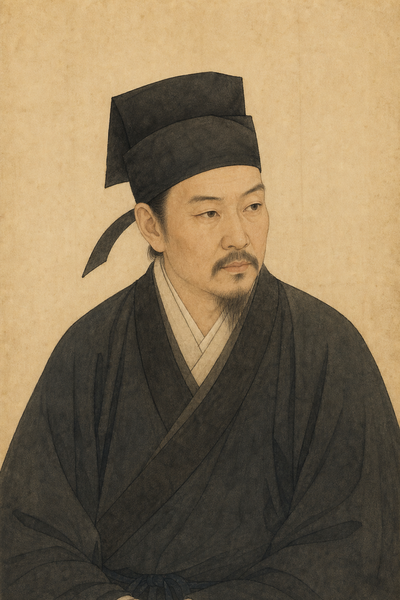
Song Dynasty · 12th-13th c.
徐升
Xu Sheng
Compiler and systematizer of bazi fate calculation. His Sea of Knowledge on the Eight Characters drew together earlier traditions into the foundational text of the four pillars system that became the standard for subsequent centuries.
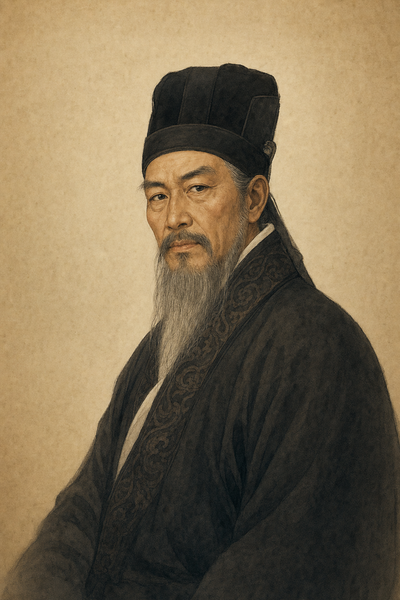
Ming Dynasty · 1311-1375
刘伯温
Liu Bowen
Military strategist, statesman, and divination scholar. Traditionally credited with the commentary on The Essence of Heaven's Mechanism, an advanced bazi text distinguished by its focus on qi circulation through the chart.
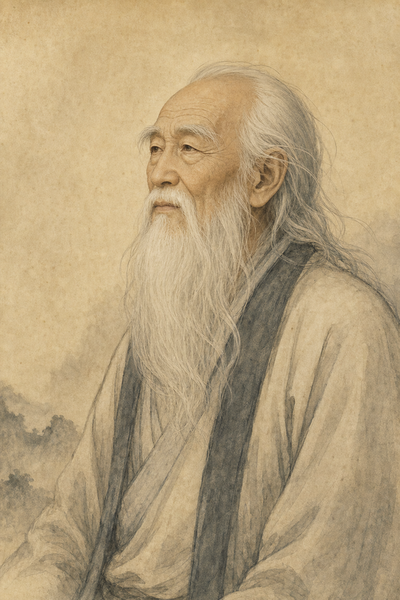
Zhou Dynasty · 6th c. BCE
老子
Laozi
Foundational philosopher of Daoism. His brief text on the Way and its power became one of the most translated and influential works in human history.
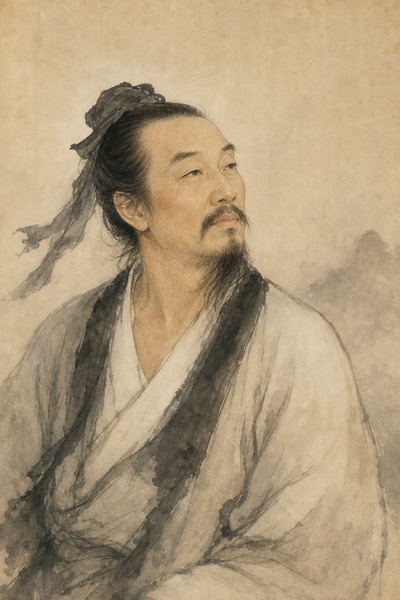
Zhou Dynasty · 4th c. BCE
庄子
Zhuangzi
Daoist philosopher whose parables of transformation and spontaneity shaped Chinese aesthetics, spiritual practice, and understanding of natural process.
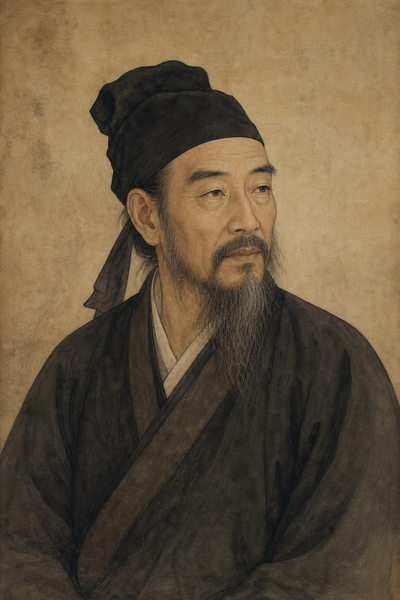
Han Dynasty · 2nd c.
魏伯阳
Wei Boyang
The earliest recorded author on Daoist meditative and physiological cultivation (neidan), synthesizing the Yijing with Daoist cosmology.
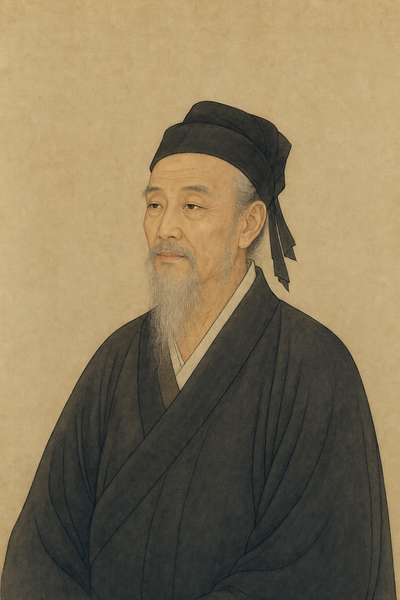
Song Dynasty · c. 987-1082
张伯端
Zhang Boduan
Song dynasty neidan master whose Awakening to Reality became one of the twin pillars of Daoist physiological and meditative practices.
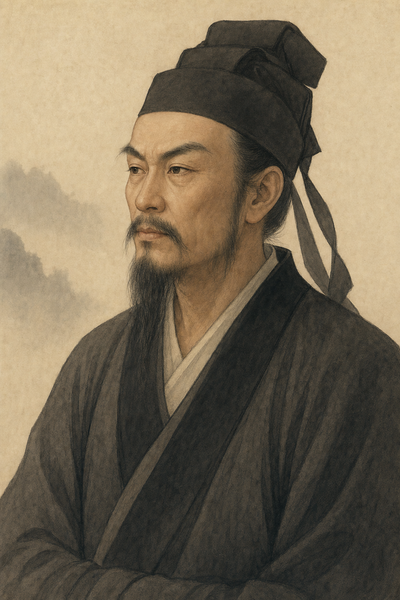
Jin Dynasty · 283-363
葛洪
Ge Hong
Encyclopedic experimental chemist, physician, and Daoist practitioner. His work on pharmacological compounds and longevity research preserves the most complete record of early Chinese experimental chemistry.
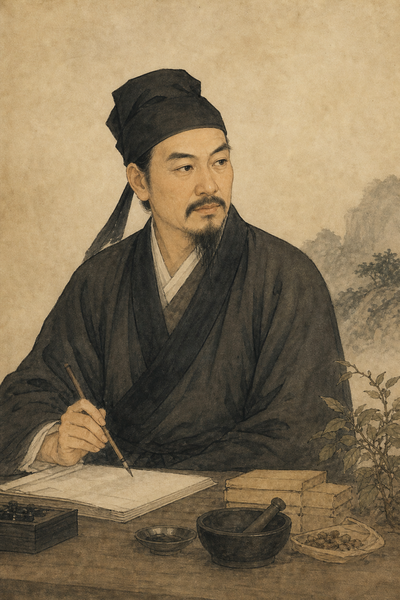
Jin Dynasty · 215-282
皇甫谧
Huangfu Mi
Physician who compiled the systematic acupuncture reference that became the standard clinical text across East Asia.
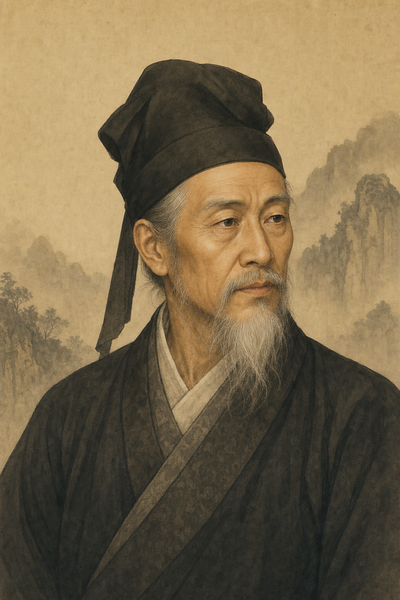
Jin Dynasty · c. 180-270
王叔和
Wang Shuhe
Medical scholar who systematized pulse diagnosis into 24 types, standardizing a diagnostic method still used today.
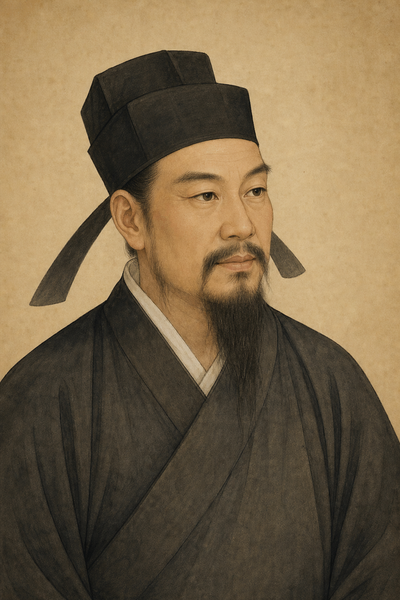
Han Dynasty · 78-139
张衡
Zhang Heng
Polymath, astronomer, and mathematician. Invented the world's first seismoscope, explained lunar eclipses as Earth's shadow, and refined π to √10 ≈ 3.162.
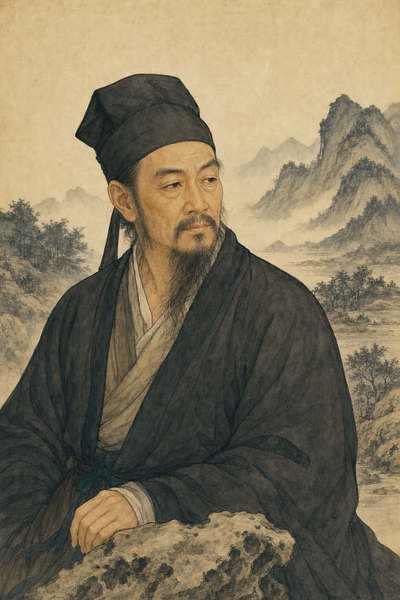
Jin Dynasty · 276-324
郭璞
Guo Pu
Scholar and geomancer whose founding text of Chinese geomancy established the principles of qi flow through landscapes.
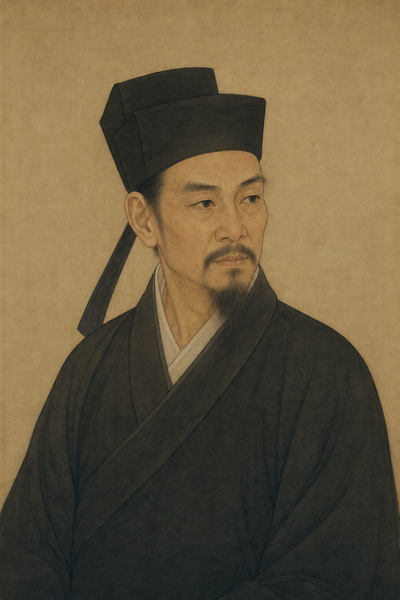
Song Dynasty · c. 1065-1110
李诫
Li Jie
Architect whose imperially-commissioned building code defined the modular bracket system and structural carpentry standards governing Chinese architecture for centuries.
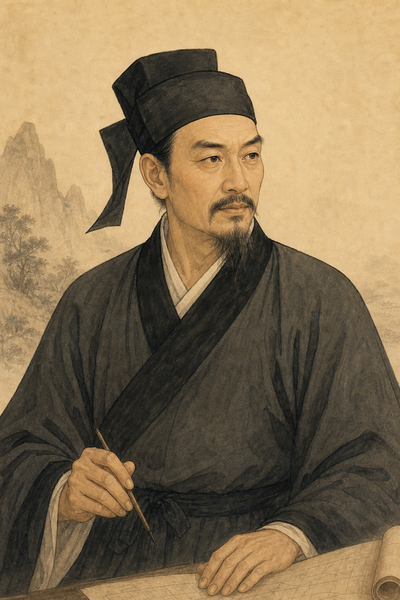
Song Dynasty · c. 1202-1261
秦九韶
Qin Jiushao
Mathematician who presented the Chinese Remainder Theorem and a method for solving higher-degree polynomial equations centuries before their European discovery.
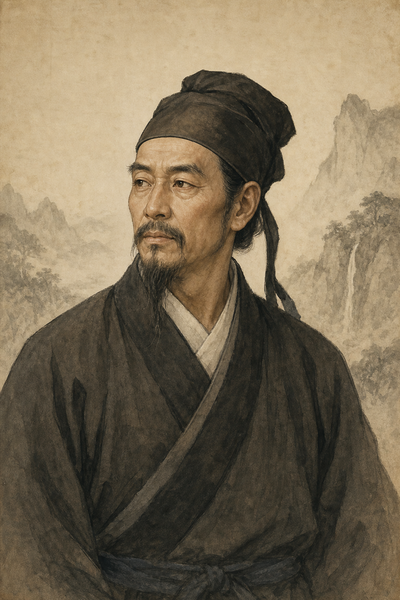
Ming Dynasty · 1587-1641
徐霞客
Xu Xiake
Field geographer who spent 30 years documenting China's geography, systematically recording karst topography, cave systems, and river sources.